


-

Add: HeBei ShengShi HongBang Cellulose Technology CO.,LTD.
-

Email
13180486930@163.com -

CONTACT US
+86 13180486930

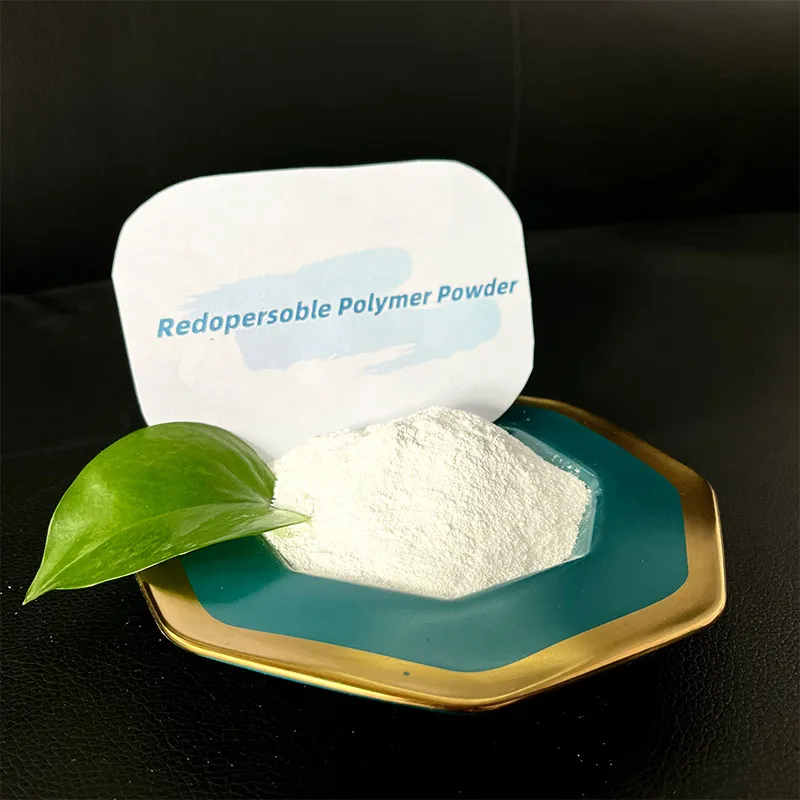
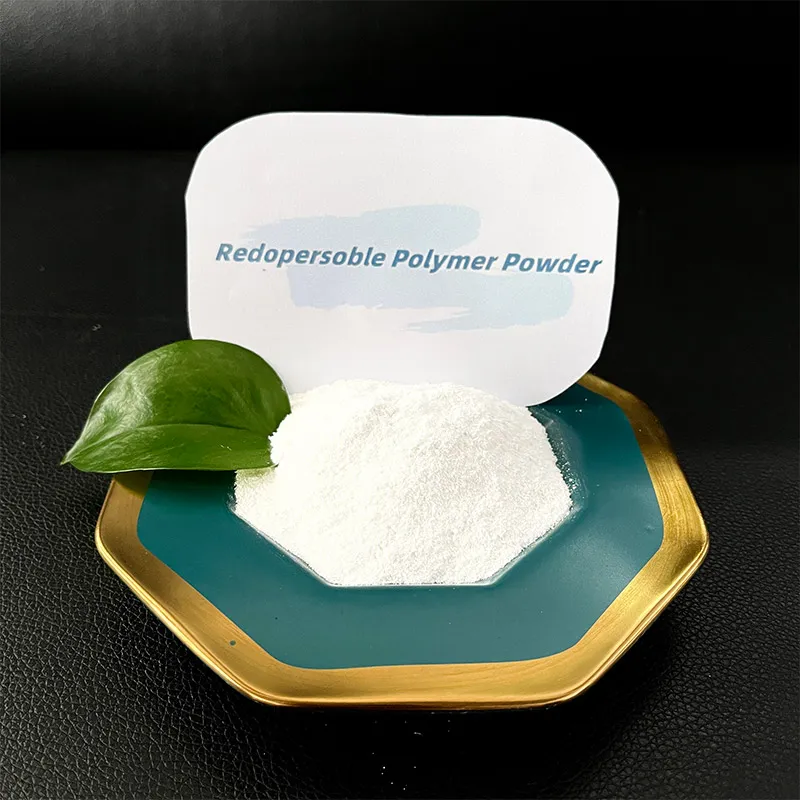


If you work with mortars or tile adhesives long enough, you eventually fall in love with the quiet workhorses. One of them is redispersible emulsion powder —the additive that turns a “just okay” mix into something installers actually compliment. To be honest, I didn’t appreciate RDPs until I saw field pull-off tests on a humid site in Shenzhen; the numbers were boringly high, which is precisely the point. The product in focus here is Redispersible powder VAE from HeBei ShengShi HongBang Cellulose Technology CO., LTD (Room 1904, Building B, Wanda Office Building, JiaoYu Road, Xinji City, Hebei Province). The company plays in that sweet spot of reliable baseline specs with room for customization—useful when you’re juggling different regional standards and substrates. Industry trend check - Demand shifting to low-VOC, low-odor systems (post-pandemic indoor air quality push). - More EIFS/ETICS growth across hot climates; hydrophobic grades are having a moment. - Contractors asking for easier trowelability and extended open time—less rework, fewer callbacks. What the redispersible emulsion powder actually does In cementitious and gypsum systems, VAE RDP improves adhesion, flexibility, water retention, and crack resistance. In fact, a tiny 2–5% dosage can flip an adhesive from “passes the lab” to “survives a monsoon.” Typical specifications (Redispersible powder VAE) Polymer base VAE (vinyl acetate–ethylene) Glass transition Tg ≈ +5 to +15°C (grade dependent) MFFT ≈ 0–5°C Ash content ≈ 10–14% Bulk density 0.45–0.55 g/cm³ D50 particle size ≈ 80–120 μm pH (in dispersion) 5–8 Residue on 300 μm ≤ 0.5% Recommended dosage 2–5% tile adhesive; 3–7% EIFS basecoat (real-world use may vary) Process flow (how it’s made) - Materials: VAE latex, protective colloid (PVOH), anti-caking agent, processing aids. - Method: Emulsion polymerization → blending → spray drying → sieving → packaging (25 kg bags). - QC and testing: Redispersibility (visual), sieve residue, bulk density, adhesion by EN 1348, pull-off ASTM C1583, compressive by ASTM C109/GB/T 17671. Applications and advantages - Tile adhesives (C1/C2, S1 targeting): stronger wet/dry adhesion, longer open time, nicer slip control. - EIFS/ETICS basecoats: crack-bridging, impact resistance; better cohesion under thermal cycles. - Skim coats/levelers: smooth trowel feel—many customers say “less chatter.” - Waterproof mortars/grouts: improved flexibility and water resistance. Service life: designed for 20–30 years in compliant systems, assuming proper detailing and maintenance. Field data (quick case) Coastal tile adhesive, 4% redispersible emulsion powder plus cellulose ether, CEM I 42.5R, CEN sand. EN 1348 tensile adhesion: 1.2 MPa dry; 1.0 MPa after water immersion; 0.8 MPa after heat aging—roughly double the baseline 0.4–0.6 MPa we saw without RDP. Not glamorous, but installers noticed fewer pop-offs after storms. Vendor comparison (indicative) Vendor Tg (°C) Ash % Customization Lead time Certs Notes HeBei ShengShi HongBang ≈ +5 to +15 10–14 Tg, anti-caking, packaging ≈ 10–15 days ISO 9001, REACH-like Balanced specs; sharp pricing EU Brand A 0 to +10 12–16 Wide grade library ≈ 3–5 weeks ISO 9001/14001 Premium pricing, strong tech docs Local Vendor B +10 to +20 15–20 Limited ≈ 7–12 days Basic QC Cost-first; check consistency Customization and compliance - Tailored Tg for climate, hydrophobic modifiers, anti-caking level for humid storage. - Conforms to project specs referencing EN 12004-2 (tile adhesives) and EN 1348. Factory QA under ISO 9001; material safety aligns with common REACH expectations. Always verify your local code, obviously. User notes Many applicators say the mix “butters” better, with fewer dry pockets. I guess the only consistent complaint is that once they switch to a good redispersible emulsion powder , they won’t go back—budget be damned. Citations EN 12004-2: Adhesives for tiles—Requirements, evaluation of conformity, classification. EN 1348: Adhesives for tiles—Determination of tensile adhesion strength. ASTM C1583/C1583M: Tensile strength of concrete surfaces and bond strength by pull-off. ASTM C109/GB/T 17671: Compressive strength of hydraulic cement mortars. JC/T 2190-2013: Redispersible polymer powder for dry-mixed mortar (PRC industry standard).
- 40000tons

Production
- 20+years

Experience
- 5000+㎡

Acreage

-
Hydroxypropyl methylcellulose (HPMC) E15 is a versatile polymer used widely in various industries due to its exceptional properties. Known for its high quality and consistent performance, HPMC E15 is a product that guarantees effective solutions in applications ranging from pharmaceuticals to construction. Professionals across the globe trust this specific grade for its unique characteristics and benefits. One of the defining properties of HPMC E15 is its solubility in both hot and cold water, allowing for flexibility in formulation development. This feature makes it ideal for use in products where precise control of viscosity is required. Unlike other cellulose ethers, HPMC E15 maintains stability across a broad range of temperatures, making it reliable for applications exposed to extreme environmental conditions. In the pharmaceutical industry, HPMC E15 is esteemed for its role as an excipient, where it serves as a binder, film former, and controlled-release agent. Its non-ionic nature ensures compatibility with a wide array of active pharmaceutical ingredients (APIs), contributing to the efficiency of drug formulations. The ability of HPMC E15 to form a gel upon hydration is particularly valued in creating controlled-release drug delivery systems, optimizing the therapeutic effect by maintaining consistent drug levels in the bloodstream over time. From the perspective of food technology, HPMC E15 offers remarkable properties as a stabilizer, emulsifier, and thickener. Its ability to control the texture of food products without altering flavor or aroma makes it highly sought after. HPMC E15 is extensively used in gluten-free recipes, where it mimics the viscoelastic properties of gluten, thereby improving the texture and moisture retention of baked goods. hpmc e15 properties In the construction industry, HPMC E15 is recognized for enhancing the performance of cement-based products. It improves the workability of mortar, acts as a water retention agent, and prevents segregation, ensuring a uniform mix. Moreover, it increases the open time of mortars, allowing for better adhesion and ease of application. These attributes not only enhance the quality of the work but also contribute to reducing overall costs by minimizing material waste and increasing application efficiency. The synergy of HPMC E15’s properties ensures its authoritative position in these industries . Its biocompatible and biodegradable nature further underscores its environmental and consumer safety credentials, addressing regulatory concerns and promoting sustainability. The trustworthiness of HPMC E15 is underscored by rigorous testing and certifications from industry-standard bodies, ensuring that it complies with health and safety regulations globally. From an expertise standpoint, selecting HPMC E15 involves understanding the nuanced benefits it provides over other grades or comparable products. Experts recognize that the balance of viscosity, gel formation, and thermal stability can significantly affect final product performance, making HPMC E15 a vital component in high-performance applications. In summary, the admirable properties of HPMC E15 contribute to its status as a multifunctional material. Its consistent quality and reliable performance across industries attest to its value, substantiating its widespread adoption. Professionals leveraging these properties can innovate and enhance product offerings, maintaining a competitive edge in their respective fields. By focusing on the individual characteristics and the collective benefits of HPMC E15, industry practitioners can optimize its use effectively, reinforcing its status as a trusted agent of change and efficiency.
-
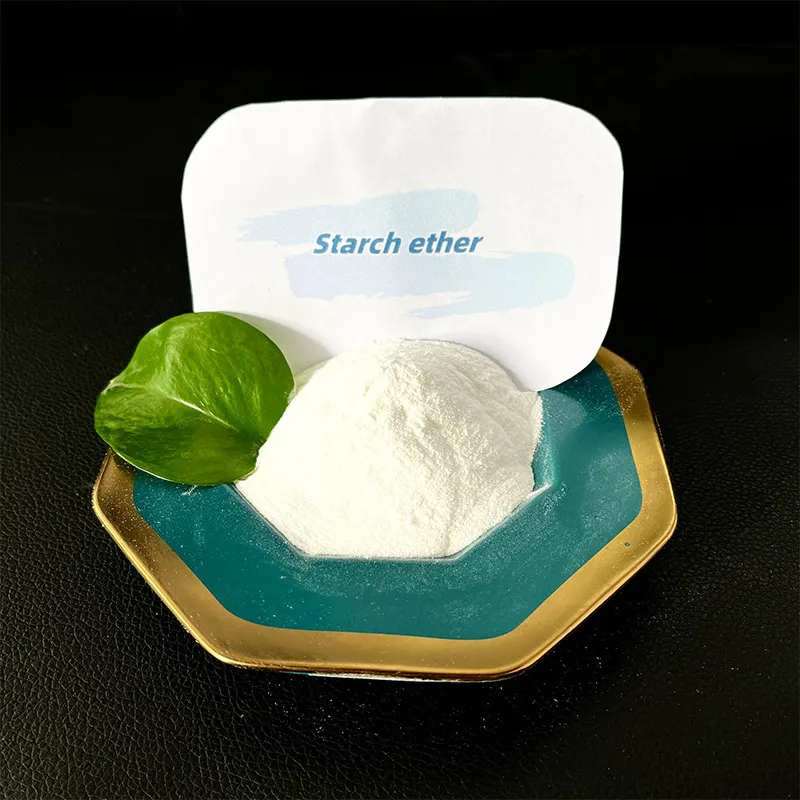
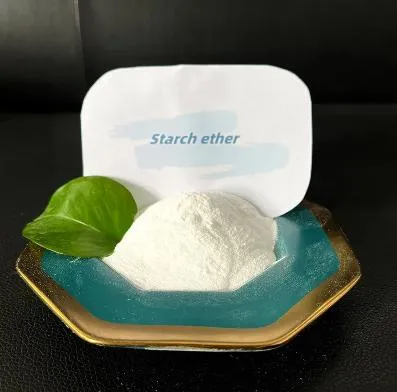
Modified starch is a versatile ingredient used across a wide range of industries, from food production to pharmaceuticals and construction. Among the different modified starch types , each serves a unique purpose, depending on the specific needs of the application. Modified starch is produced by altering the structure of natural starch to improve its properties, such as solubility, texture, and resistance to temperature changes. This adaptability makes it a key component in industries where high-performance materials are required. Understanding the various modified starch types is crucial for selecting the right product for each application. For example, some types of modified starches are designed to enhance the texture and mouthfeel of processed foods, while others are used as thickening agents or binders in adhesives, paints, and coatings. In this article, we will explore the different modified starch types , their uses, and how starch ether and its related products, like starch ether China , are driving innovation across industries. The Role of Starch Ether in Modern Manufacturing One of the key innovations in the world of modified starch is starch ether , a derivative of starch that has been chemically altered to provide enhanced functionality. Starch ether is typically used to modify the water retention, adhesion, and texture of starch-based products, making it invaluable in industries such as construction, textiles, and personal care. The versatility of starch ether makes it suitable for a broad range of applications, from improving the consistency of building materials to enhancing the properties of cosmetics and pharmaceuticals. The addition of starch ether to various products imparts superior binding capabilities, better viscosity control, and improved stability. For instance, in the production of starch ether China , which is a widely sourced product for global manufacturers, the ether modification allows for superior performance in products such as adhesives, paints, and coatings. Its ability to control the flow and viscosity of liquids is crucial in applications where consistency is important, such as in the formulation of emulsions and gels. Understanding Starch Ether Uses Across Industries Starch ether uses extend far beyond the food industry, where starch is most commonly associated. In fact, starch ether is increasingly being adopted in numerous industrial applications due to its ability to enhance the performance of products in areas like construction, pharmaceuticals, and personal care. Some of the most common starch ether uses include serving as a thickening agent, stabilizer, binder, and dispersing agent. In the construction industry, for example, starch ether is often included in the formulation of cement and gypsum-based products, such as tile adhesives and plasters. It improves the workability and water retention of these materials, ensuring they stay moist for longer periods during application, which is crucial for proper curing. In pharmaceuticals, starch ether uses as a binder in tablet formulations improve the compressibility and disintegration properties, enhancing the effectiveness and ease of use of the medications. The personal care sector also benefits from starch ether uses , especially in products like lotions, creams, and shampoos. It helps stabilize emulsions, improve texture, and enhance the product's spreadability, making it easier for consumers to apply and absorb. With its wide range of applications, starch ether proves to be a vital component in modern manufacturing processes across industries. Starch Ether China: Leading the Way in Global Production China plays a pivotal role in the global production and supply of starch ether , offering a wide range of products to meet the needs of international markets. Starch ether China has become synonymous with high-quality, cost-effective solutions for manufacturers around the world. The country's advanced manufacturing facilities, combined with its large-scale agricultural production of starch, make it a leading producer of modified starch and starch ether products. The demand for starch ether China continues to grow as industries increasingly turn to modified starch for its numerous benefits. One of the advantages of sourcing starch ether China is the ability to access competitively priced products without sacrificing quality. Chinese manufacturers are constantly innovating and improving their processes, ensuring that starch ether China remains at the forefront of the global market. Whether for use in food production, construction materials, or cosmetics, Chinese suppliers are able to meet the diverse needs of customers around the world. Factors Affecting Starch Ether Price and How to Get the Best Value When it comes to purchasing starch ether , one of the key factors that businesses need to consider is the starch ether price . The cost of starch ether can vary depending on several factors, such as raw material availability, manufacturing processes, and global supply chains. Understanding these factors is essential for businesses looking to optimize their procurement strategy and ensure they get the best value for their investment. Starch ether price is typically influenced by the cost of the underlying starch, as well as the complexity of the modification process required to produce the ether. Additionally, fluctuations in the global demand for modified starches can impact the price, as industries in food production, construction, and personal care all seek to incorporate starch ether into their formulations. Supply chain dynamics, including transportation costs and regional production capabilities, also play a role in determining the final price. To get the best value, businesses should work closely with suppliers to understand the market trends and identify opportunities for bulk purchasing or long-term contracts. When sourcing from countries like China, which offer starch ether China at competitive prices, companies can benefit from lower costs without compromising on quality. Additionally, it is important to consider the overall performance benefits that starch ether provides, as these can offset initial price differences by enhancing the quality and functionality of the final product. M odified starch types , starch ether , and their various applications play a crucial role in a wide array of industries. From improving the workability of construction materials to enhancing the texture of personal care products, starch ether is a vital component in modern manufacturing processes. With starch ether China emerging as a leading supplier on the global market, businesses now have access to high-quality products at competitive prices. By understanding the various starch ether uses and factors that influence starch ether price , companies can make informed decisions to maximize the benefits of these versatile and sustainable materials.
advantages
-

200000 Viscosities
Excellent product
We can produce pure products up to 200,000 viscosities
-

40000 tons
High yield
We don’t stop production all year round, and the annual output can reach 40,000 tons
-

24 hours
Quality service
We provide 24-hours online reception service, welcome to consult at any time
———— Inquiry Form
Schedule A services
-
 man_made_staple_fibre
Oct . 25, 2025
Hydroxypropyl methylcellulose (HPMC) , often celebrated for its multifunctional prowess, is a cellul -
 macro_synthetic_fiber
Oct . 25, 2025
In the realm of construction and building materials, one innovative component is making waves for it -
 fibreglass_mesh_for_concrete
Oct . 25, 2025
The Role of Starch Producers in the Ether Industry In the evolving landscape of modern industry, the


